OLED vs Mini LED TVs: How to Choose for Your Room
OLED vs Mini LED TV: The Room Matters More Than Specs
Choosing between an OLED vs Mini LED TV can feel like a spec comparison, but in real homes, the room has a bigger impact than the panel. Ambient light, glare, seating angles, and how you actually watch TV will shape your experience far more than what you saw in our showroom.
A TV that looks incredible under controlled lighting in a store can behave very differently in a bright living room with large windows or an open-concept layout. Sunlight, reflections, and where you sit all influence contrast, color, and clarity.
The goal is not to pick the “best” TV on paper. It is to choose the one that performs best in your space, during the times you actually watch it.
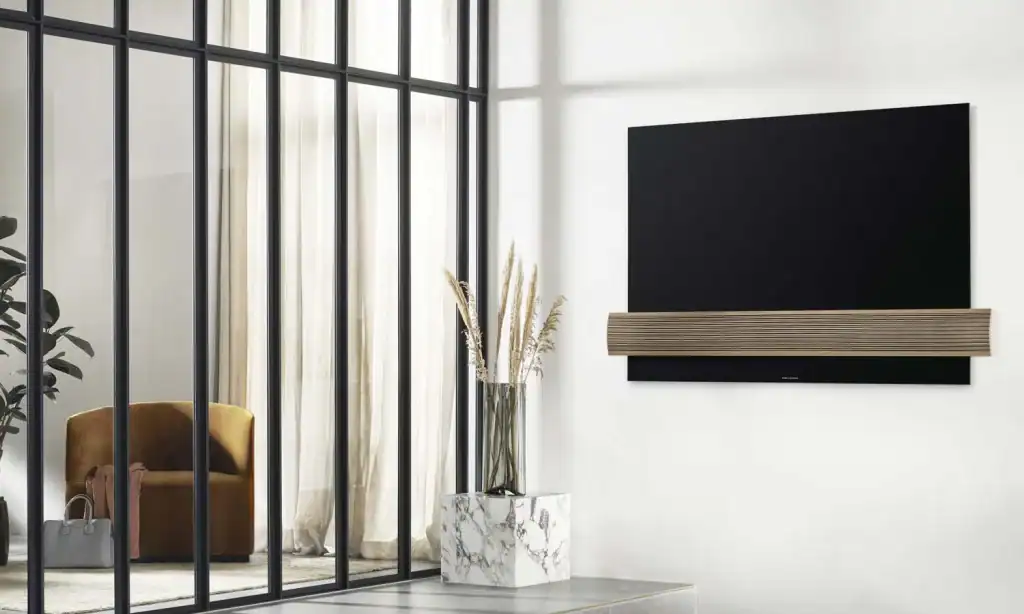
OLED vs Mini LED at a Glance
If you want a fast way to decide, here is the simplified version:
- Dark or light-controlled rooms → OLED
- Bright rooms with lots of windows → Mini LED
- Mixed-use spaces → Depends on lighting and viewing habits
- Wide seating areas → OLED often holds up better
- Daytime sports or TV → Mini LED usually has the edge
Another simple way to decide:
- Do you watch mostly during the day or in a bright room?
→ Yes: Lean Mini LED
- Do you watch movies at night in a dim space?
→ Yes: Lean OLED
- Do you have wide seating or off-angle viewing?
→ Yes: Consider OLED
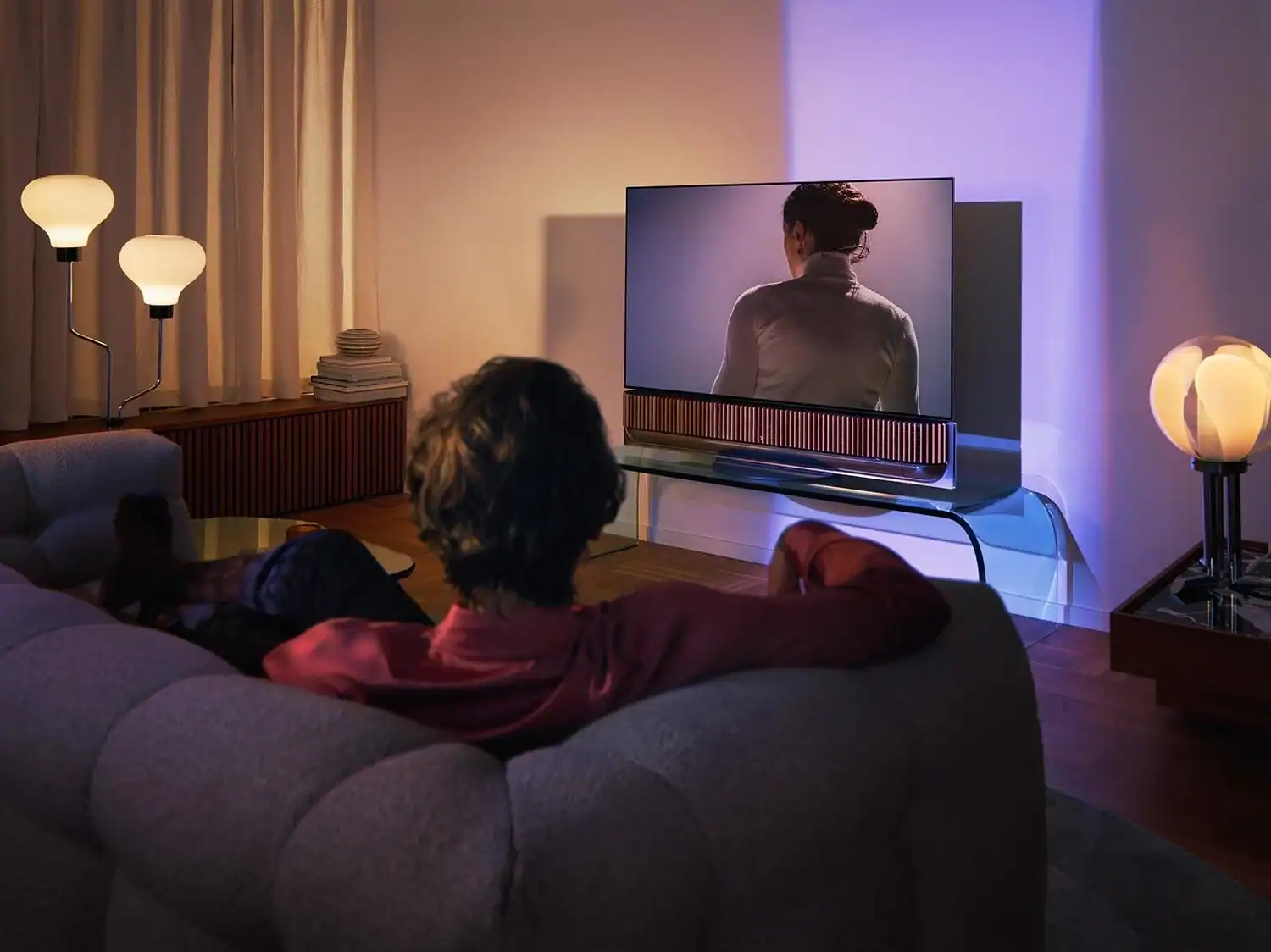
What Is OLED?
OLED stands for Organic Light Emitting Diode, but what matters is how it performs in your home. Unlike traditional TVs, an OLED uses self-emissive pixels, meaning each pixel creates its own light and can turn off completely.
That is what creates true black levels. There is no backlight behind the image, so dark scenes look deep and natural instead of slightly gray. This has a big impact on contrast, especially in movies and shows with shadow detail.
At home, you will notice this in more immersive moments. Night scenes, dim interiors, and subtle lighting look more realistic, with detail preserved instead of being washed out.
OLED also handles viewing angles very well. If your seating is spread out, the picture stays consistent from every position. Colors stay accurate, and contrast does not shift.
In simple terms, OLED is about precision. It controls light at the pixel level, creating a more refined, cinematic image, especially in rooms where you can manage the lighting.
OLED vs Mini LED: Real Differences You Can See
Brightness and HDR performance
Mini LEDs typically deliver higher brightness and stronger HDR performance, including HDR10 and Dolby Vision, especially in well-lit spaces.
What this looks like:
During daytime viewing, a Mini LED maintains clarity. An OLED can appear dimmer in very bright environments.
Reflections and glare
Mini LED TVs often handle reflections better and are built for stronger ambient light and glare control.
What this looks like:
In rooms with large windows or waterfront glare, a Mini LED stays more visible and less washed out.
Viewing angles
An OLED maintains color and contrast from almost any seat. Some Mini LED models can shift slightly when viewed off-axis.
What this looks like:
If you have a wide seating area, OLED looks consistent from every position.
Blooming and haloing
Because a Mini LED uses zones, bright objects can create a soft glow around them. This is called blooming.
What this looks like:
Subtitles or bright highlights on dark scenes may have a faint halo. OLED avoids this entirely.
Motion and sports
Both perform well, but Mini LEDs often have the advantage in bright rooms, especially for fast-moving content like sports.
What this looks like:
Daytime games appear brighter and clearer on a Mini LED. An OLED excels in controlled lighting.
Burn-in considerations
OLED carries a small burn-in risk when static elements like logos or on-screen graphics remain for long periods, though modern panels include protections to reduce this risk.
What this looks like:
For most homeowners, it is not a concern. Heavy news or sports channel use with static graphics may favor Mini LEDs.
Which Is Better for Your Room?
This is where the decision really comes together. The right TV is the one that fits your space and how you use it every day.
Bright living rooms with lots of windows
If your living room has an open layout or a lot of natural light, a Mini LED is usually the better choice. Bright spaces create glare and ambient light that can wash out darker displays.
A Mini LED’s higher brightness keeps the image clear even in sunlight and handles reflections better from multiple angles. If you watch TV during the day, especially for news or sports, it will feel more consistent and easier to see.
Dedicated media rooms or controlled lighting
If you can dim the lights or mostly watch in the evening, an OLED is the stronger option. In a controlled space, true blacks and detailed contrast stand out, creating a more cinematic experience.
If your goal is a theater-like feel at home, an OLED is hard to match in this type of room.
Multi-use family rooms
Most homes fall into this category, where the same space is used for daytime TV and evening viewing.
The right choice depends on your priorities. If you watch more during the day or enjoy sports and casual content, a Mini LED is often the safer option. If you focus on movies at night and want better performance in darker scenes, an OLED may be worth it.
This is also where screen size and viewing distance matter. A larger screen with the right placement can sometimes have a bigger impact than the panel type itself.
High-glare environments
Some rooms come with unique challenges, like large picture windows, open-concept layouts, or waterfront glare as the sun shifts throughout the day.
In these spaces, glare can reduce contrast and make details harder to see. A Mini LED tends to handle this better thanks to its brightness and reflection control. Small adjustments to lighting or window treatments can also make a noticeable difference, no matter which TV you choose.
Simple way to decide
Choose a Mini LED if you say yes to 3 or more:
- The room is bright most of the day
- You watch a lot of sports or live TV
- You have strong glare from windows
- You prefer a brighter image
Choose an OLED if you say yes to 3 or more:
- You watch mostly at night
- You care about cinematic picture quality
- You have wide seating angles
- You want the deepest contrast possible
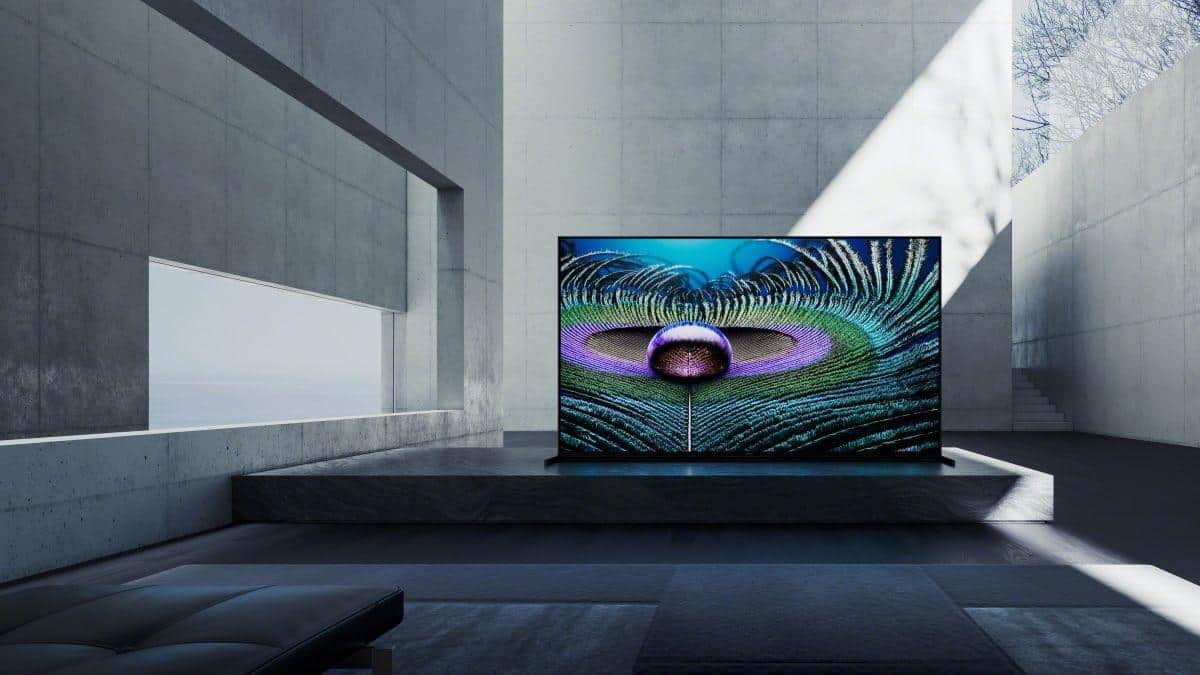
The Biggest Mistake: Choosing From a Showroom Demo
It is easy to assume what you see in a showroom will look the same at home, but that is rarely the case.
Showrooms are designed to impress, with controlled lighting and vivid modes that boost brightness and color. At home, conditions are very different. Light changes throughout the day, reflections come from windows and surfaces, and your seating and viewing habits stay consistent.
Instead of relying on a showroom impression, it helps to think about your own space:
- Where are your windows, and how does light enter the room?
- What time of day do you watch most often?
- How far are you sitting from the screen?
- Are you mounting the TV on a wall or placing it on furniture?
Even something as simple as wall-mounting and placement can change how the picture looks. Mounting height, tilt, and distance all affect comfort and clarity.
When you shift your focus from the showroom to your home, the decision becomes much clearer.
Why Setup Matters Just as Much as the TV
A great TV is important, but it is only one part of the experience. How everything is set up around it has just as much impact on what you see and hear.
Placement plays a big role. Screen height, angle, and alignment with your seating all affect comfort. Clean cable management also improves how the system looks and functions day to day.
Audio is often overlooked. Even a simple upgrade from built-in speakers to a soundbar can improve clarity, while a surround system adds a more immersive feel.
Lighting matters as well. Managing glare with shades or thoughtful lighting can improve picture quality. In some cases, lighting control and motorized shades help keep the image consistent throughout the day.
Then there are calibration and picture settings. Most TVs are not optimized out of the box, and even light calibration can improve color, contrast, and overall viewing comfort.
What we handle:
- Design based on your room and goals
- Professional installation and placement
- Integration with audio and control systems
- Optimization for picture, sound, and usability
When everything works together, the result feels effortless. The TV disappears, and the experience takes over.
OLED vs Mini LED: Simple Buying Recommendations
If you want a simple way to narrow it down, here are the situations where each option tends to make the most sense.
Choose OLED if:
- You watch mostly at night or in controlled lighting
- You want the best possible contrast and black levels
- You have wide seating and need consistent viewing angles
- You prioritize movies and cinematic content
Choose Mini LED if:
- You watch in a bright room with lots of natural light
- You need higher brightness for daytime viewing
- You watch a lot of sports or live TV
- You want strong glare resistance
Edge cases to consider:
- Heavy sports or news viewing with static graphics may favor a Mini LED
- Wide seating arrangements often favor an OLED
- Mixed lighting conditions require balancing priorities
OLED vs Mini LED TV: Common Questions Answered
Not Sure Which Is Right? Get a Room-Based Recommendation
If you are still deciding between an OLED vs Mini LED TV, you do not have to figure it out alone. We’ll help you choose based on your room, your viewing habits, and your overall system goals.
We take the time to evaluate your space and guide you toward a solution that truly fits your home in Maine, not just the specs. You can also schedule a private consultation for personalized guidance.
If you’d like to see the difference in person, come into our showroom and experience it for yourself.
Complete Your Home Entertainment Setup
These services can help you get the most out of your TV and create a more complete, seamless experience at home.
Home Theater Design | TV Installation and Wall Mounting | Lighting Control | Motorized Shades | Whole-Home Audio Systems | Smart Home Integration