Planning Your Home the Right Way
Why technology decisions made early have the biggest impact on how your home feels, functions, and performs
A Different Way to Think About Your Home
When building or renovating a home, most decisions are visible.
Cabinetry. Flooring. Fixtures. Finishes.
Technology is different.
It lives behind the walls, above the ceiling, and inside systems you don’t think about—until something doesn’t work the way you expected.
That’s when the issues show up:
- Wi-Fi that doesn’t reach certain areas
- Lighting that feels too harsh or inconsistent
- No music where you actually spend time
- Too many switches and wall clutter
- No visibility into your home when you’re away
These aren’t product issues.
THEY’RE DECISIONS THAT WERE MADE TOO LATE IN THE PROCESS.
What Most Homeowners Don’t Realize
(Until After Move-In)
Most homeowners don’t ignore technology—they simply don’t have the information early enough to plan it properly.
- Wi-Fi
- Televisions
- Maybe some audio
- Security system
By the time these conversations happen:
- Walls are closed
- Electrical is complete
- Options are limited
And the result is almost always the same:
WORKAROUNDS
INSTEAD OF
WELL-DESIGNED SOLUTIONS
Why This Matters More in Maine
Homes in Maine present unique challenges—and opportunities.
MANY ARE:
- Second Homes
- Seasonal Properties
- Located In Rural Or Coastal Areas
WHICH MEANS:
- You’re Not Always There
- Connectivity May Be Less Forgiving
- Monitoring Becomes More Important
- Reliability Matters More Than Convenience
A WELL-PLANNED HOME ALLOWS YOU TO:



Without planning, these capabilities are either limited—or missing entirely.
The Foundation: A Properly Designed Network
Everything in a modern home depends on the network.



If the network is not designed correctly, nothing performs the way it should.
WHAT PEOPLE DO:
- Use ISP router
- Add mesh later
- Hope it works
WHAT HAPPENS:
- Dead zones
- Slow speeds
- System drop-offs
WHAT TO PLAN:
- Full-home coverage
- Outdoor connectivity
- Device load + placement
Homes over ~3,000 sq ft or multi-level require more than a single router.
A properly designed network ensures everything works—reliably.
Lighting: The Most Underrated Decision in the Home
Lighting has more impact on how your home feels than almost anything else.
Yet it’s often treated as a fixture decision—not a system.
- Too bright / too dim
- Inconsistent rooms
- Wall clutter
- Balanced, layered lighting
- Consistency throughout
- Clean walls, simple control
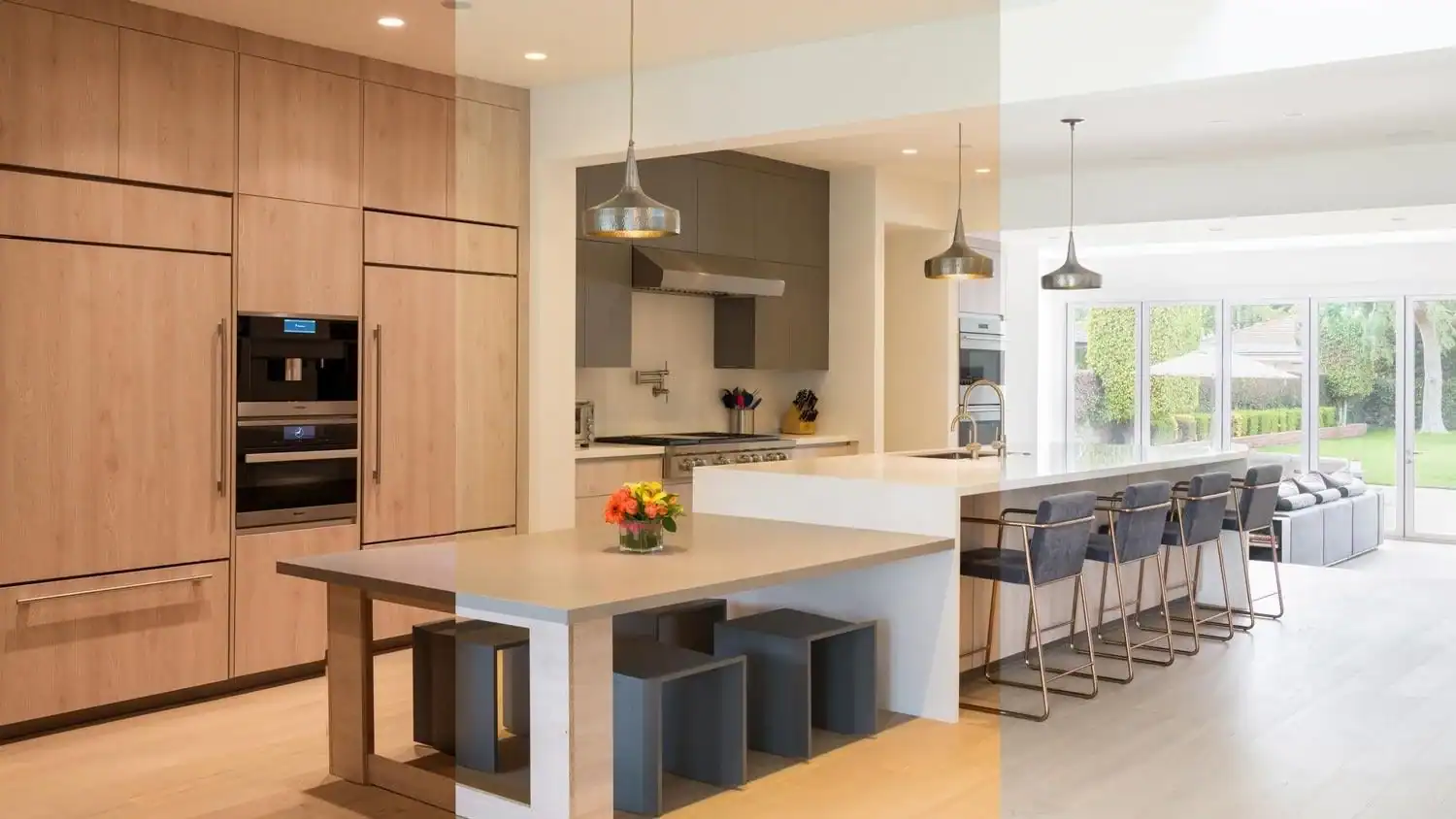
Lighting is wired
correctly—but not
planned as an experience
- How each room is used throughout the day
- How multiple light sources work together
- Reducing wall clutter
- Simplifying control
If you have more than 4–6 switches in a single area, it’s worth rethinking how that space is controlled.
Well-planned lighting creates consistency, comfort and simplicity, which is very difficult to correct once the home is complete.
Automated Shades: Comfort You Don’t Think About
Shades are one of the most overlooked systems early—and one of the most appreciated later.
WHAT THEY IMPACT:
- Heat and glare
- Privacy
- Protection of interiors
- Overall comfort
- Add them later
- Treat them as a decorative choice
- Forget about exposure
- Wiring is limited
- Integration is difficult
- Cost increases
DESIGN WITH SHADES IN MIND—FROM THE START
- Sun exposure throughout the day
- Rooms where glare will be an issue
- Areas where privacy matters most

If you have large windows or west-facing exposure, planning for automated shades early makes a significant difference.
When integrated properly, shades can adjust automatically, work with lighting and reduce the need for constant manual adjustment.
Audio: Where You Actually Live
Audio is rarely the first priority—but it becomes one of the most used systems in the home.
- There’s no music in the kitchen
- Outdoor areas feel incomplete
- Portable speakers don’t deliver the same experience
- Where you spend time—not just formal spaces
- Whether you want visible or hidden solutions
- Even coverage vs loudness
If you entertain or spend time outdoors, planning audio early makes those spaces significantly more usable.
When done well you don’t see the system, you simply enjoy it
Security & Monitoring: Especially for Maine Homes
For both full-time and seasonal homeowners, monitoring is critical.
- Add systems one at a time
- Use different apps and platforms
- Inconsistent set-up
- Fragmented systems
- Inconsistent alerts
- Reduced reliability
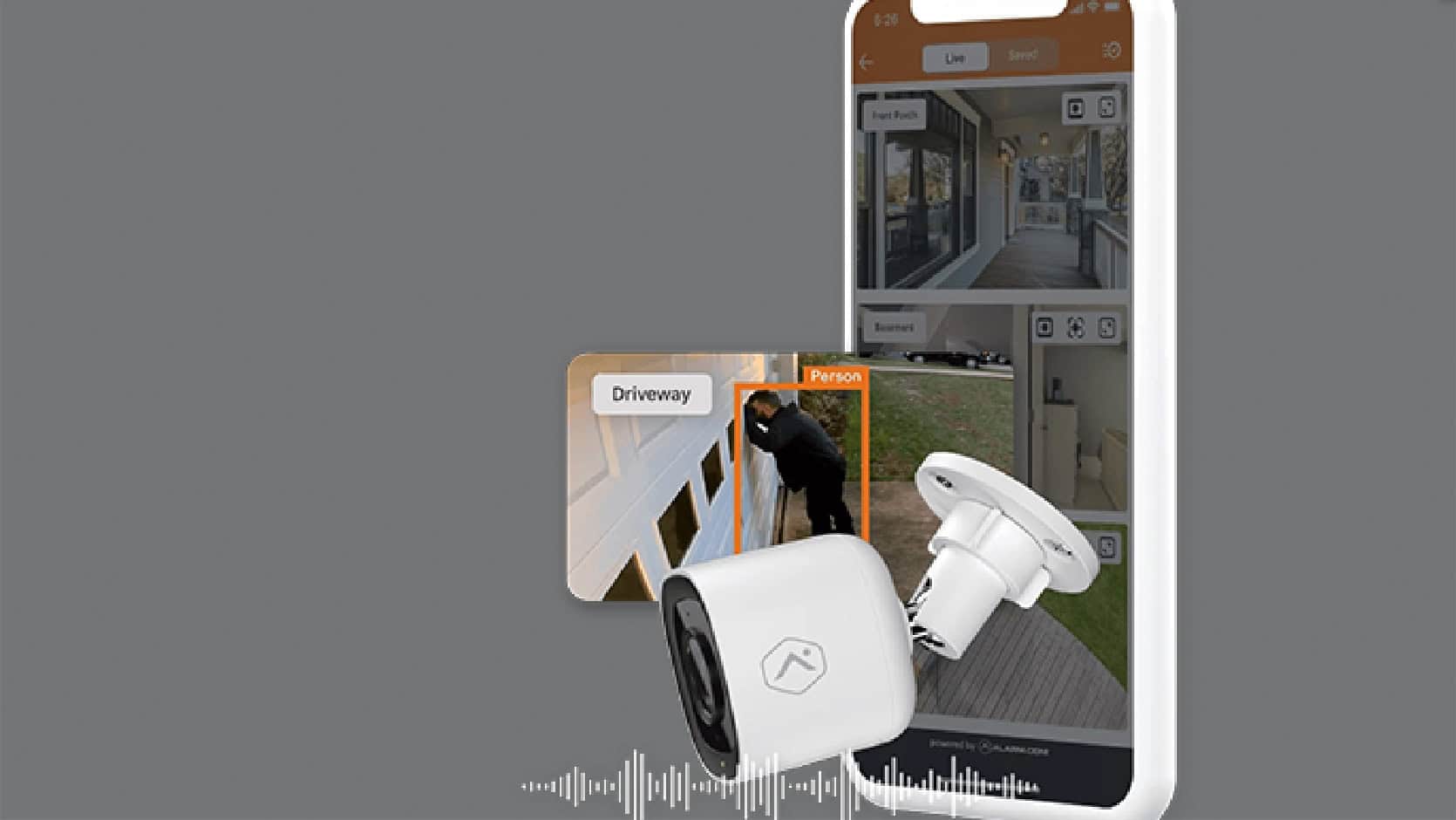
DESIGN A SYSTEM WITH THE WHOLE HOME IN MIND
- Cameras and entry points
- Water leak detection
- Temperature monitoring
- Remote access
If your home will be vacant for any period of time, monitoring is not optional—it’s essential.
A well-designed system keeps everything in one place, provides meaningful alerts and allows you to check in from anywhere.
Control: Bringing It All Together
As systems are added, the experience can either simplify your life—or complicate it.
- Multiple apps
- Multiple remotes
- Inconsistent control
- A single, unified interface
- Simple, intuitive control
- Scenes that adjust multiple systems at once
IMAGINE
A single command that adjusts lighting, shades, and audio for the evening.

Mistakes to Avoid
These are some of the most common issues homeowners run into:







A Smarter Way to Approach Budget
Technology doesn’t need to be all-or-nothing.
Foundational
What the home needs to support now
Enhanced
What improves daily experience
Future-ready
What can be added later
Plan for it early—even if you phase it over time.
This avoids: rework, added cost and compromised results
When to Start This Conversation

New build
Before Or During Framing
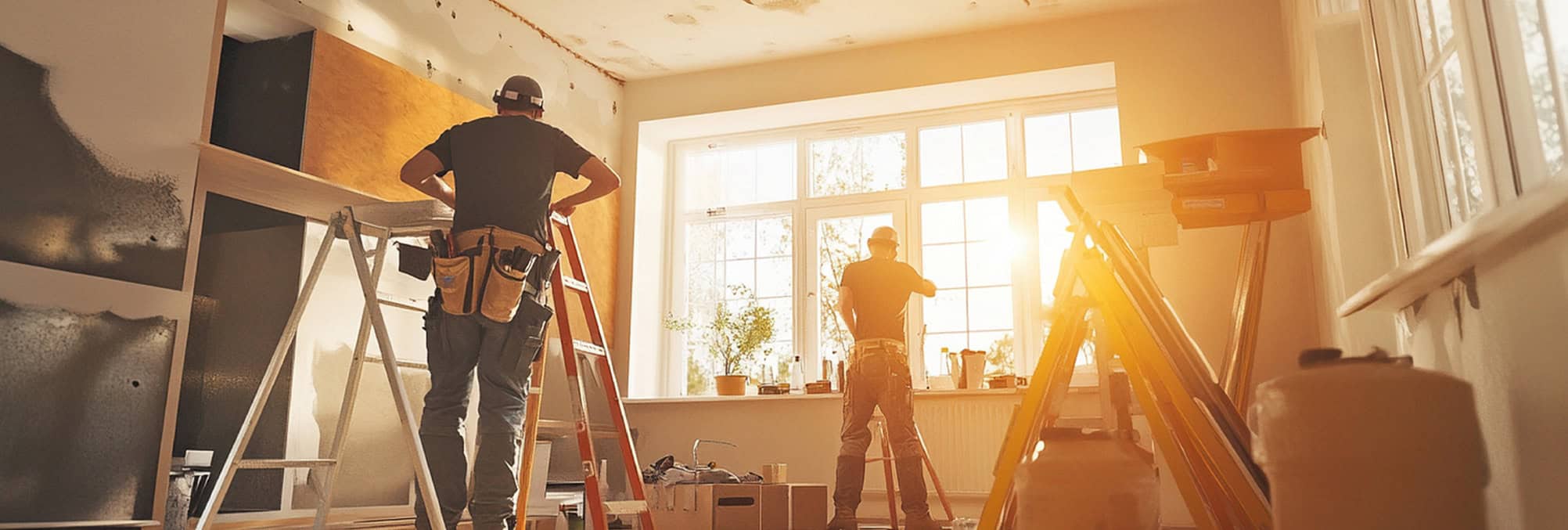
Renovation
Before Electrical
Earlier planning gives you:
- More flexibility
- Better integration
- Fewer compromises
A well-designed home isn’t just about how it looks.
It’s about how it works—every day.
The best systems are the ones you don’t think about. Because everything simply works the way it should.
If you’re building or renovating, this is one of the most important conversations to have early. It doesn’t commit you to anything. It simply ensures you’re making informed decisions before options become limited.